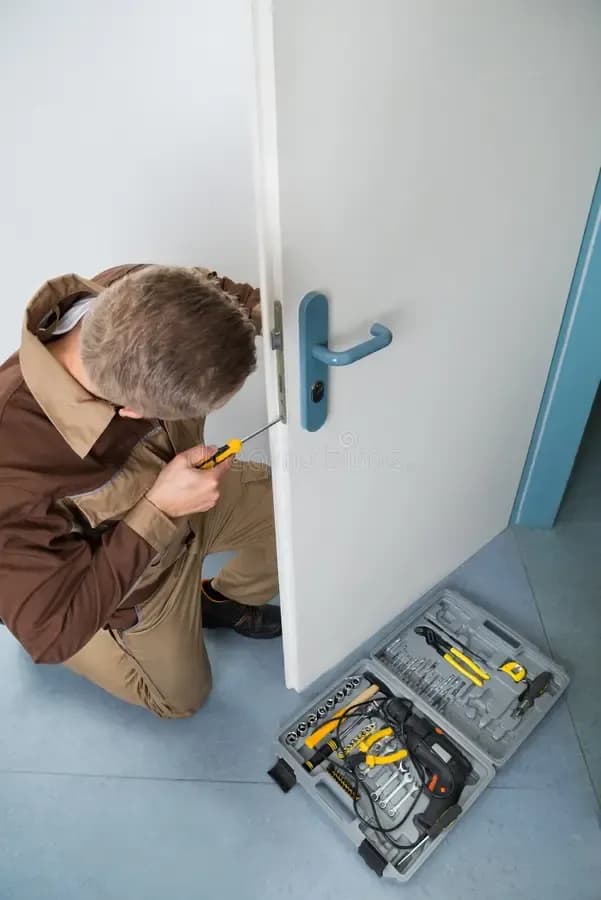
Securing Your Home: Expert Insights on Door Repair, Replacement, and Smart Locks
Securing Your Home: Expert Insights on Door Repair, Replacement, and Smart Locks
Doors are the literal gateways to your home. They are the first impression guests have of your interior style, your primary defense against intruders, and your main barrier against the harsh elements of weather. Yet, despite their critical importance, doors are often the most neglected architectural features in a house.
Over time, the relentless stress of daily opening, closing, slamming, and seasonal humidity takes a toll. Doors begin to sag, locks become sticky, and frames start to rot. Ignoring these issues doesn't just create daily annoyances—like a door that violently scrapes the hardwood floor—it severely compromises your home's security and energy efficiency.
In this comprehensive guide, we delve into the world of door carpentry, exploring common issues, when to repair versus replace, and the modern revolution of high-security smart locks.
The Anatomy of a Failing Door
To understand how to fix a door, you must understand why it fails. A door system relies on perfect geometry. The heavy door slab is held in a delicate balance by a few metal hinges anchored into a wooden frame. When that geometry shifts even a millimeter, problems arise.
The Sagging Door
The most common issue homeowners face is a sagging door. Over time, the weight of a solid door slowly pulls the screws out of the top hinge. The door drops slightly out of square, causing the top edge to hit the frame or the bottom edge to scrape deeply into your flooring. A skilled carpenter can often fix this without replacing the door by removing the short, factory-standard hinge screws and driving specialized 3-inch or 4-inch heavy-duty screws through the jamb and directly into the structural wall studs, pulling the door back into perfect alignment.
Wood Swelling and Sticking
Wood is a hygroscopic material; it acts like a sponge, absorbing moisture from the air. During humid summer months, a wooden door will expand, causing it to rub tightly against the frame and become incredibly difficult to open or close. While a temporary fix might be aggressive sanding, a professional carpenter will properly remove the door and expertly plane the edges, ensuring a consistent 3mm gap all around that accommodates seasonal changes without letting in winter drafts.
Frame Rot and Strike Plate Failure
Exterior doors are highly susceptible to water damage, particularly at the bottom of the door jambs where water pools. When the wood rots, the frame loses its structural integrity, making it dangerously easy for a burglar to kick the door in. Additionally, if the wooden frame behind the metal strike plate is splintered or weak, your heavy deadbolt is practically useless. Professional carpentry involves splicing in new, rot-resistant wood to repair the frame and installing heavy-duty, reinforced security strike plates to restore maximum protection.
Repair vs. Replacement: Making the Right Call
While many issues can be fixed, there comes a time when replacing the door is the smarter, more economical choice in the long run.
If your door is structurally compromised—such as a hollow-core door that has been punctured, or an exterior door suffering from extensive deep rot—replacement is necessary. Furthermore, if you are looking to improve your home's soundproofing or energy efficiency, replacing old, hollow, uninsulated doors with modern solid-core or fiberglass alternatives will yield immediate results.
The Solid Core Upgrade
Many builder-grade homes use "hollow-core" doors for the interior bedrooms and bathrooms. These are essentially thin veneers glued over a cardboard honeycomb interior. They are lightweight, cheap, and offer zero privacy as sound travels straight through them. Upgrading to solid-core interior doors (made from solid wood or heavy MDF) dramatically reduces noise transmission throughout the house, giving the home a much more luxurious, substantial feel.
The Smart Lock Revolution
As you consider upgrading or repairing your doors, you cannot ignore the massive leap in security technology: the smart lock.
Gone are the days of hiding a spare key under a fake rock or rushing home from work to let a plumber inside. Modern smart locks offer unparalleled convenience and enhanced security. However, integrating modern technology into traditional woodwork requires exact precision.
Keyless Convenience and Access Control
Smart locks allow you to unlock your front door using a PIN code, your smartphone via Bluetooth/Wi-Fi, or even biometric fingerprint scanners. You can generate temporary, time-sensitive access codes for dog walkers, house cleaners, or Airbnb guests, and monitor an activity log on your phone to see exactly when the door was opened.
The Importance of Professional Installation
Installing a smart lock is not always a simple DIY swap. Smart locks use motorized deadbolts. If your door is even slightly misaligned (meaning you have to push or pull the door to get your current key to turn), the smart lock's motor will jam, drain its batteries rapidly, and fail to secure the home.
A professional carpenter will address the carpentry *first*. They will realign the hinges, adjust the weather stripping, and meticulously file the strike plate so that the door closes effortlessly and the deadbolt slides into the frame with zero friction. They possess the specialized jigs and routers necessary to mortise larger smart lock mechanisms into older doors without splintering the wood.
Weatherproofing and Acoustic Seals
A beautifully hung door is only half the battle; it must also seal perfectly. Drafty doors are a major source of heat loss in the winter and air conditioning loss in the summer, driving up your energy bills.
During a professional door repair or replacement, carpenters install advanced weather stripping, such as compressible rubber bulb seals or interlocking metal thresholds. For interior doors where privacy is paramount (like home offices or bedrooms), routing the door frame to accept acoustic "batwing" seals and installing an automatic drop-down door sweep at the bottom will block both light and sound transmission.
Conclusion
Your doors do heavy lifting every single day. Don't let sagging hinges damage your floors or weak locks jeopardize your family's safety. Whether it is precision planing a sticky door, replacing a rotten frame, or upgrading your entryway with a state-of-the-art solid wood door and biometric smart lock, professional door carpentry provides the peace of mind, aesthetic beauty, and security your home demands.