The Heirloom Difference: Why Custom Furniture & Woodwork is the Ultimate Investment
The Heirloom Difference: Why Custom Furniture & Woodwork is the Ultimate Investment
We live in an era dominated by "fast furniture." Massive big-box retailers push millions of identical, flat-packed boxes out their doors every single day. While the appeal of immediate availability and low upfront costs is undeniable, this convenience comes with a hidden, heavy price. Mass-produced furniture is notorious for wobbling within months, peeling at the edges, and ultimately ending up in a landfill just a few years later.
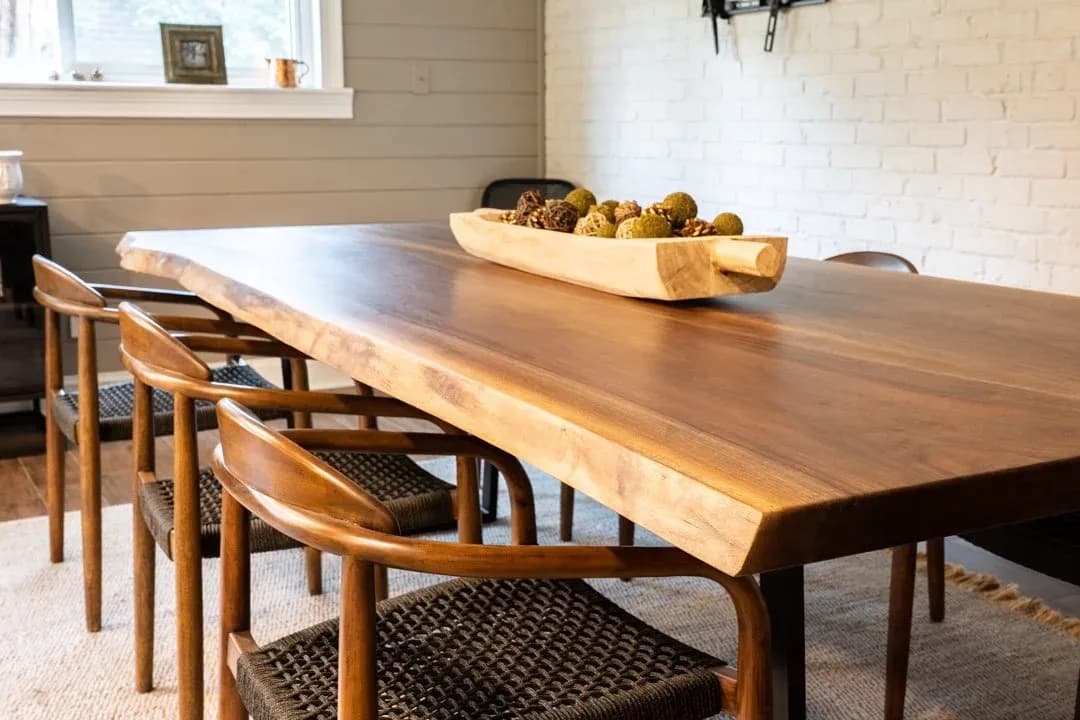
In stark contrast stands the timeless art of custom furniture making and fine woodworking. Commissioning a bespoke piece of furniture—whether it is a sprawling live-edge dining table, a perfectly ergonomic writing desk, or a majestic solid oak bed frame—is an investment in artistry, durability, and legacy. In this comprehensive guide, we will explore the profound differences between factory-made products and handcrafted woodwork, and why true craftsmanship is making a massive resurgence in modern interior design.
The Fallacy of Fast Furniture
To understand the value of custom woodwork, one must first examine the materials used in standard retail furniture. The vast majority of affordable furniture is constructed from MDF (Medium Density Fiberboard) or particleboard. These materials are created by gluing wood dust and chips together under high pressure. They are heavy, prone to snapping, and incredibly susceptible to water damage—a spilled glass of water can cause a particleboard tabletop to bubble and swell irreparably in a matter of hours.
To make these boards look like real wood, manufacturers apply paper-thin veneers or plastic laminates. Over time, these veneers peel away, exposing the ugly composite beneath. Furthermore, the joints are held together by cheap metal cam locks and wooden dowels, which inevitably loosen as the furniture is used, moved, or bumped.
The Anatomy of Handcrafted Custom Furniture
Fine woodworking operates on an entirely different plane of quality. When you commission a master carpenter to build custom furniture, the focus shifts entirely to structural integrity, material excellence, and personalized design.
1. The Superiority of Solid Hardwoods
Custom furniture is built using real, solid wood. Master woodworkers source premium, kiln-dried hardwoods such as American Walnut, White Oak, Maple, Mahogany, and Cherry. These woods are selected not just for their immense strength, but for their unique, swirling grain patterns. Because solid wood is a natural material, no two custom pieces are ever exactly alike. Your dining table will feature a grain pattern and color profile completely unique to your home.
2. Time-Honored Traditional Joinery
A true furniture maker rarely relies on metal screws or nails to hold a piece together. Instead, they use traditional interlocking wood joinery. Techniques such as mortise and tenon (where a carved peg of wood fits exactly into a corresponding hole) or dovetail joints (interlocking wedge shapes used in drawers) utilize the structural strength of the wood itself. When glued properly, these joints are actually stronger than the surrounding wood, ensuring the furniture will never wobble, squeak, or pull apart, even after decades of heavy use.
3. The Magic of Live-Edge Design
One of the most highly sought-after custom furniture styles is "live-edge" woodworking. Instead of cutting the wood into perfectly straight planks, the natural, undulating edge of the tree trunk (just beneath the bark) is preserved. When used for a dining table or a massive headboard, live-edge woodwork brings a breathtaking, organic, and rustic elegance into a modern home, bridging the gap between nature and architecture.
The Custom Design Process: A Collaborative Journey
Buying furniture off a showroom floor is a passive experience. Commissioning custom furniture is a deeply collaborative, creative journey.
It begins with an in-depth consultation. You discuss exactly how the piece will be used. Do you need a dining table that seats exactly ten people in a narrow room? Do you require a home office desk that perfectly matches your height to prevent back pain, featuring hidden compartments for unsightly computer cables? The piece is engineered specifically for your ergonomics and lifestyle.
You are also involved in the material selection. Many woodworkers will take clients to the lumber yard, allowing them to hand-select the exact wooden slabs that will become their furniture. You have total control over the edge profiles (beveled, rounded, or chamfered) and the style of the base (from mid-century tapered wooden legs to industrial welded steel).
Eco-Friendly Finishes and Health Benefits
Another critical, yet often overlooked, difference between factory furniture and custom woodwork is the finishing process. Mass-produced furniture is often sprayed with highly toxic polyurethane lacquers and adhesives that off-gas Volatile Organic Compounds (VOCs) into your home's air for months, contributing to indoor air pollution.
Custom woodworkers, however, often utilize premium, eco-friendly finishes. Hardwax oils (like Rubio Monocoat or Osmo) are incredibly popular in fine woodworking. These finishes are plant-based, 100% zero-VOC, and completely food-safe. Rather than sitting on top of the wood like a plastic film, hardwax oils penetrate deep into the wood fibers, protecting the piece from within while preserving the natural, tactile feel of the timber.
Heirloom Quality: An Investment for Generations
The initial cost of custom furniture is undoubtedly higher than a trip to a big-box retailer. However, true value is calculated over time. A mass-produced table might need to be replaced every five to seven years. A custom, solid oak dining table will outlast you. It will survive countless family dinners, holiday gatherings, and house moves.
Furthermore, solid wood is infinitely repairable. If a factory-veneered table is deeply scratched, it is ruined. If a solid hardwood table is scratched or dented, it can be sanded down and completely refinished, looking brand new again fifty years from now.
When you commission custom furniture, you are not just buying a place to sit or eat; you are investing in an heirloom that will carry the memories of your family for generations. Step away from the disposable culture of fast furniture, and embrace the lasting, soulful beauty of fine custom woodworking.